
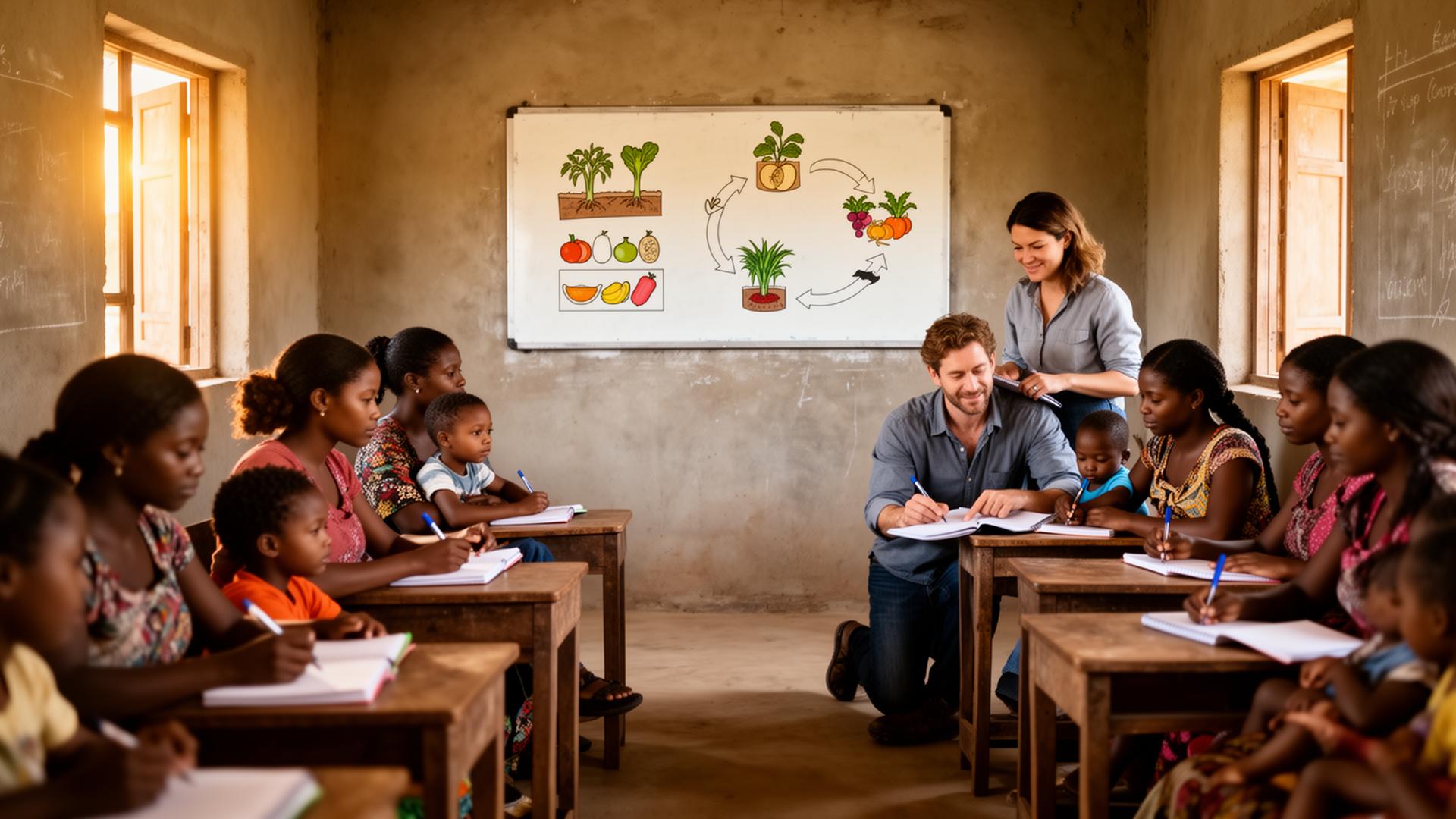

Food Insecurity
Access to food is often limited by deeper systemic challenges—not just supply.
Access to food is often limited by deeper systemic challenges—not just supply.
Women play a critical role in building stronger, more resilient communities.
Long-term change comes from education, local leadership, and self-sufficiency.
Emergency food aid matters. But long-term hunger is often driven by poverty, lack of infrastructure, and limited access to opportunity.
That's why long-term solutions matter.
Emergency aid can meet urgent needs, but by itself it does not address the deeper conditions that cause hunger in the first place.
Sustainable progress comes from education, local leadership, stronger infrastructure, and systems that help communities support themselves over time.
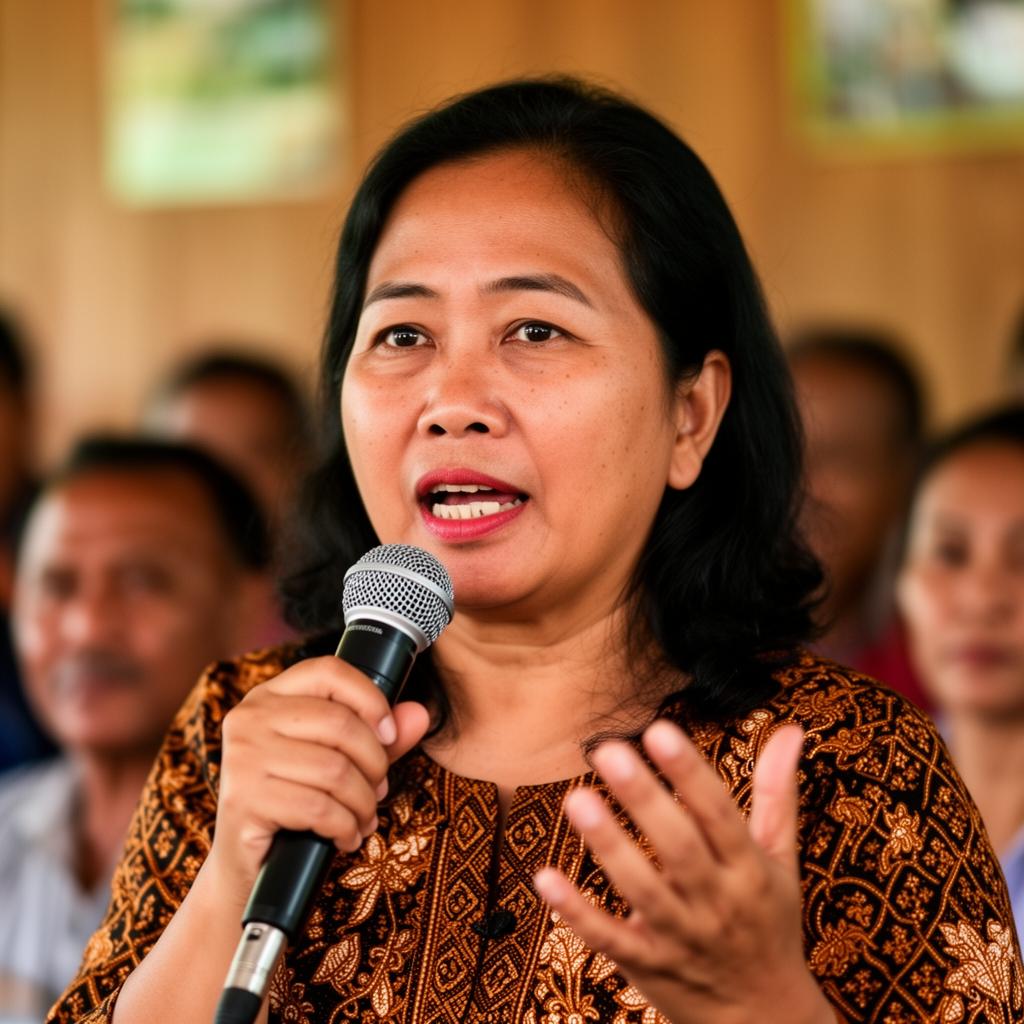
Sustainable change comes from empowering communities — not just providing temporary relief.
The Hunger Project partners with local leaders to build the systems, education, and infrastructure that allow communities to thrive on their own terms. The goal isn't to deliver aid indefinitely — it's to make outside aid unnecessary.
When women lead, when children learn, and when local economies are strong, hunger doesn't just retreat. It loses its foothold. That's how lasting change is built — community by community, generation by generation.
We'll show you exactly how this works—and how your support helps create real, lasting change.